
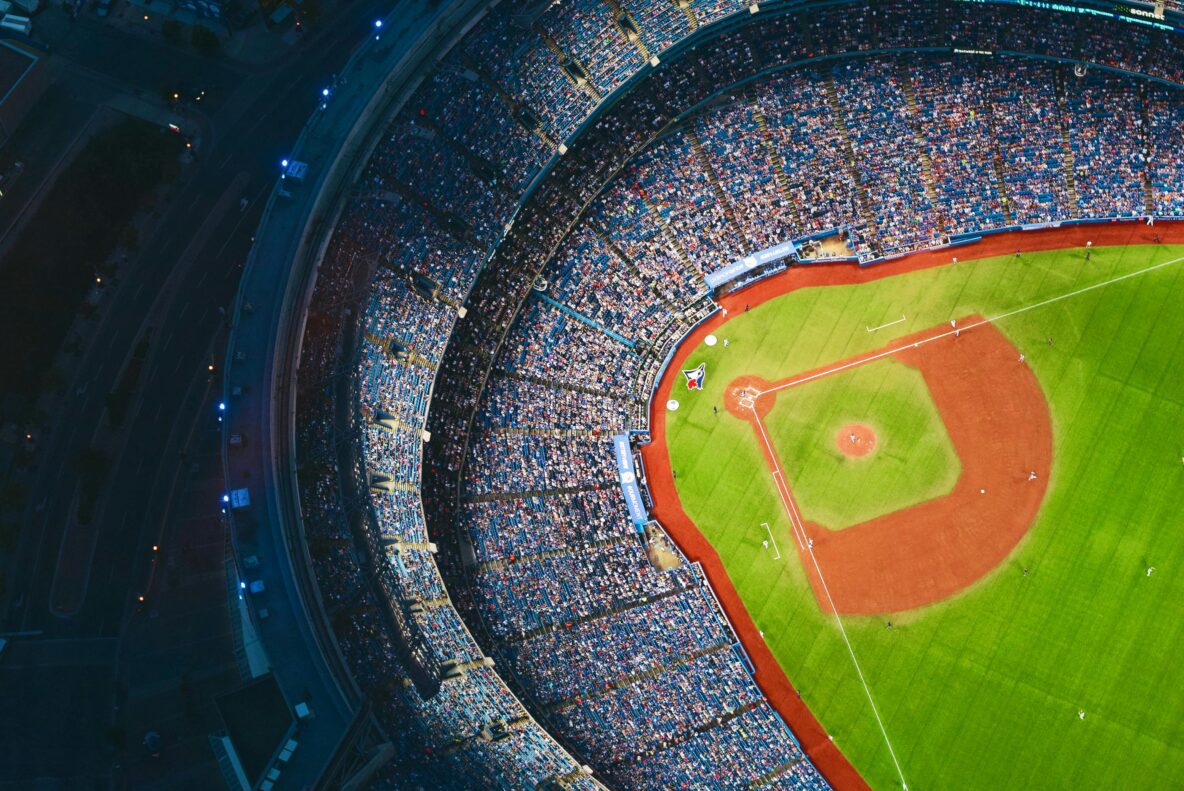
Baseball has a way of shaping the rhythm of a city, and in Toronto and across the GTA, its impact extends far beyond what happens on the field.
With games returning to the Rogers Centre, a familiar pattern begins to take hold. Game days bring energy, movement, and a steady flow of people. Still, for local businesses, they also bring something else entirely: sustained demand, paired with the pressure to deliver without interruption. This is not just a sports moment. It is part of a longer cycle of high-frequency operations that reaches far more industries than most people realize.
Each home game quietly activates a network. Restaurants prepare for the rush before the first pitch and the late crowds after the final inning. Catering companies support corporate suites, private gatherings, and brand activations tied to the game-day experience. Food vendors increase production, beverage distributors move more inventory, and hospitality teams adjust staffing and supply levels to match the pace. Over time, this builds into something predictable but intense. With more than eighty home games in a season, the effect is not occasional. It becomes part of the operational calendar.
What defines this period is not just volume, but timing. Demand arrives in waves, often within narrow windows, and expectations remain high regardless of how busy things get. Products need to be stored safely, accessed quickly, and always kept within strict temperature standards. There is very little room for error when operations move at this speed, especially for businesses handling perishable goods. In these moments, refrigeration stops being a background detail and becomes part of the foundation. Limited storage space, urban logistics, and unpredictable surges can quickly expose the limits of a fixed setup. When that happens, businesses are not just dealing with inconvenience. They are facing potential product loss, compliance risks, and real-time disruptions that can affect the customer experience.
This is where planning shows its value. The baseball season, stretching from spring into the summer, creates a recurring pattern of demand. It allows businesses to look beyond daily operations and consider how they will handle peak days, overlapping events, and moments when demand exceeds their existing infrastructure’s capacity. For many, flexibility becomes the deciding factor. The ability to scale cold storage without committing to permanent installations allows operations to expand and adjust as needed, without adding unnecessary strain. It supports everything from large-scale game-day service to smaller, off-site activations that still require the same level of care and reliability.
For Coolmate Rentals, this often means being present without being visible. Mobile refrigeration units arrive, are set up, and become part of the workflow, allowing teams to stay focused on what they do best. Whether supporting a catering company managing multiple events in a single day or helping a vendor keep pace with peak-hour demand, the role remains the same: to keep products safe, operations steady, and businesses ready for what the season brings.
Because in the end, a baseball game may last a few hours, but the system that supports it runs continuously. And the businesses that navigate this season successfully are usually the ones that understand what happens beyond the field, where consistency, timing, and reliability matter just as much as the final score.