
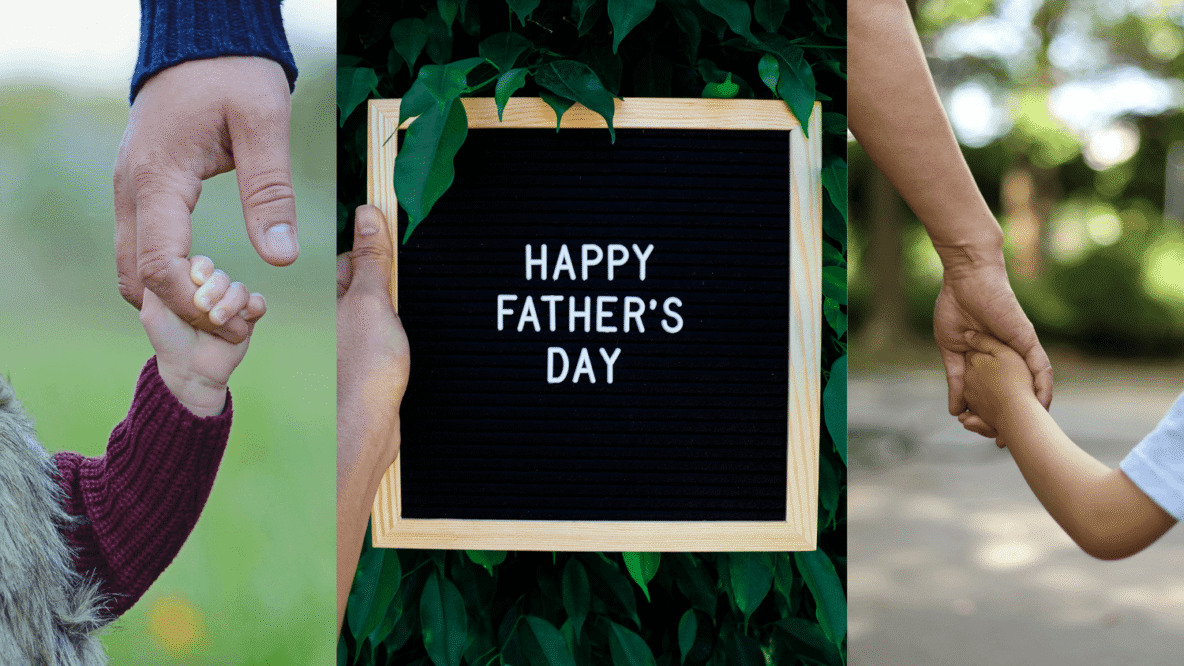
Father’s Day is still a few days away, but planning is already starting to take shape across Toronto and the GTA. The patios are open, grocery lists get a little longer, and weekend calendars quietly fill with backyard plans, restaurant reservations, and last-minute family coordination. It is not a date that usually requires long lead times, but it tends to expand once people start thinking about it. Families begin organizing food-centred celebrations that often bring multiple generations together in one space.
A date widely celebrated across Canada, with roughly 60–70% of Canadians taking part through shared meals, home gatherings, or dining out. While the format varies from family to family, the pattern is consistent: it is a food-driven weekend that brings together restaurant bookings, catering orders, and at-home celebrations within a very short time frame. What makes it operationally relevant is not the celebration itself, but the concentration of activity into a single weekend, creating a recurring peak for restaurants, catering services, and event-based food businesses.
Unlike more structured holidays, it also creates behind-the-scenes operational complexity for anyone in food service or event logistics. Even when the tone is relaxed, expectations remain consistent. Food needs to be ready when people arrive, not after. Cold drinks are assumed, not planned. Desserts, salads, marinades, and fresh ingredients are expected to hold up through transport, waiting time, and shifting schedules. For businesses managing Father’s Day catering, restaurant logistics, or event catering operations across Toronto and the GTA, execution becomes just as important as planning.
From an industry perspective, Father’s Day weekends typically generate 30–50% higher short-window demand for restaurants and food service operators compared to standard weekends. That spike is concentrated into a narrow timeframe, which increases pressure on kitchens, delivery schedules, and storage coordination. This is where logistics becomes central to execution. Many businesses rely on mobile refrigeration rental and temporary cold storage solutions to manage overflow inventory, support catering deliveries, or maintain temperature-sensitive items across multiple locations. Whether it is a restaurant managing peak reservations or a catering team serving multiple Father’s Day events, stable temperature control directly impacts service quality.
Cold chain consistency is often the difference between a smooth service and operational stress. Ingredients, prepared meals, desserts, and beverages all depend on controlled conditions to maintain quality during movement and waiting periods. In high-volume weekends like this, that consistency becomes part of the workflow rather than a background detail. For caterers, florists, restaurants, and event organizers using food storage solutions for events and cold chain management systems, it is less about unpredictability and more about coordination. The structure is known, but the intensity is compressed. What changes is not the type of work, but the speed and volume of execution.
And that is why preparation carries more weight than presentation. The most seamless events are rarely the most complex ones. They are the ones where logistics were already solved before the first guest arrived. Because in the end, what people remember is the experience at the table. Not the system that made it possible.
As June 21 approaches, the real work is already happening in the background. Not in the celebration itself, but in everything that makes it possible to feel effortless once it begins.