
From Delivery to Storage – The Missing Link in the Cold Chain
When businesses think about the cold chain, transportation and refrigeration are often the first things that come to mind. But another important part of the process happens when a delivery arrives and before products are placed in their designated storage. This transition requires coordination, space, and the right equipment to keep products in the right conditions.
An on-time delivery does not necessarily mean the receiving process will run smoothly. Staff may be busy preparing orders, multiple suppliers may arrive within a short window, or the designated receiving area may become crowded. If staff cannot transfer refrigerated or frozen products promptly to suitable storage, the handoff between transportation and storage can become a weak point in the cold chain. The Canadian Food Inspection Agency highlights the importance of proper loading, unloading, and storage in preventing contamination and product deterioration. Its guidance recommends moving refrigerated and frozen food directly to appropriate storage after unloading. Specific temperature requirements depend on the product and applicable food safety rules, so businesses should establish procedures suited to the goods they handle.
A well-organized receiving process starts before the delivery truck arrives. Coordinating delivery windows, ensuring staff know their responsibilities, preparing enough receiving space, and confirming suitable storage availability can help prevent unnecessary delays. Businesses should also consider how they handle deliveries during particularly busy periods, such as large catering orders, production increases, promotional campaigns, or major events. When several deliveries arrive close together, even a facility with enough refrigeration capacity may come under pressure.
Storage capacity is another important part of the equation. Businesses often plan refrigeration around usual inventory levels, but incoming orders don’t always follow predictable patterns. A food manufacturer may receive additional ingredients for a large production run, a restaurant may take on an unexpected catering contract, or a retailer may need to accommodate a larger shipment. When existing walk-in coolers or freezers are already full, receiving more products becomes a logistical challenge rather than simply a delivery issue.
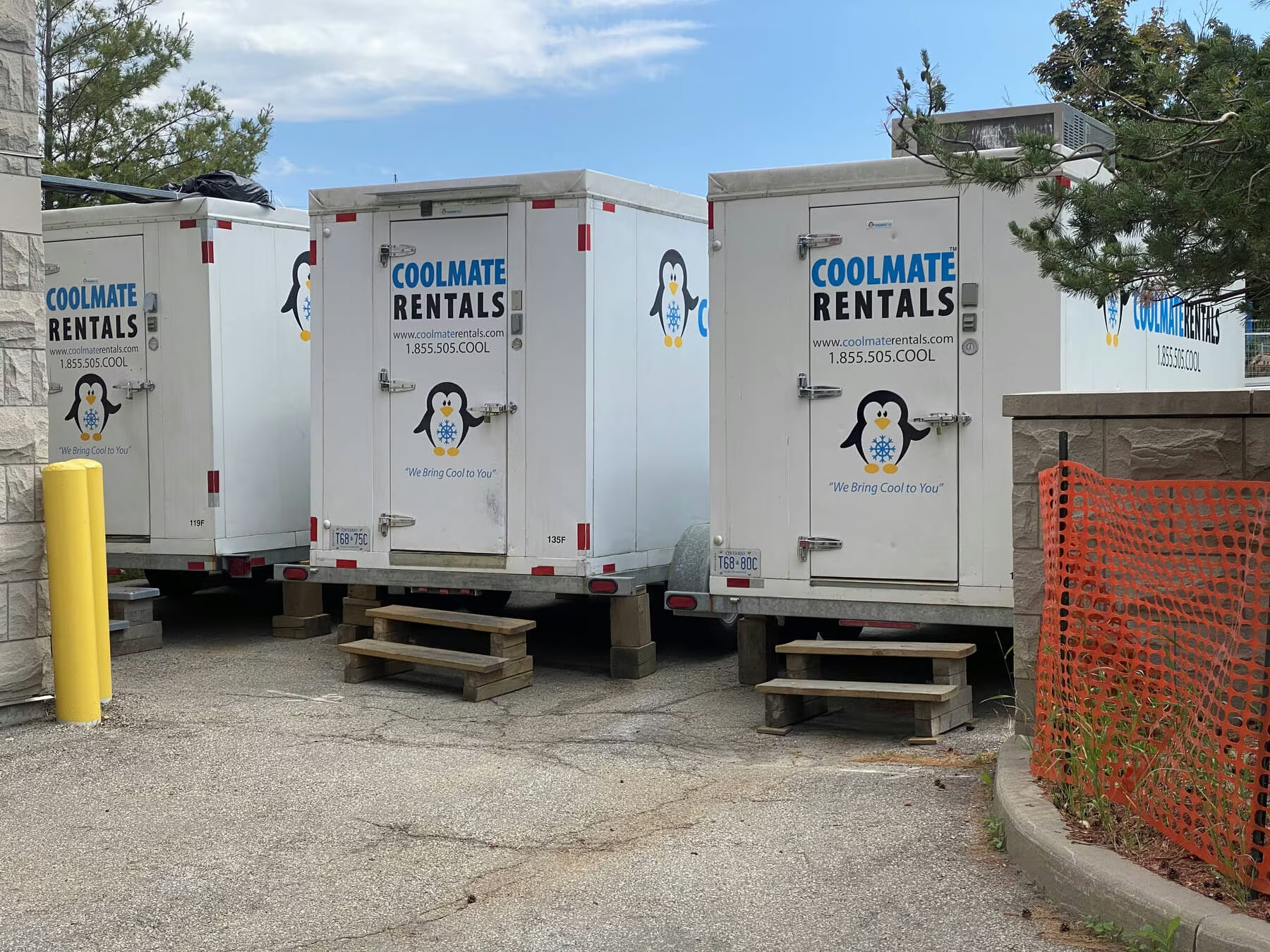
Planning for these fluctuations can help businesses avoid last-minute decisions. Review upcoming orders, identify periods of increased demand, and assess available refrigerated and frozen storage to spot capacity gaps before they affect daily operations. Where appropriate, businesses can adjust delivery schedules, improve inventory coordination, or arrange additional storage for a defined period. Temporary cold storage can also provide flexibility when existing facilities cannot accommodate incoming products. Mobile refrigeration rentals, including walk-in cooler and walk-in freezer rentals, can give businesses extra temperature-controlled space during busy periods, facility upgrades, or temporary inventory increases. For businesses across Toronto, the Greater Toronto Area, and Ontario, this can be a practical option when planning larger deliveries or changing storage requirements.
By aligning refrigeration needs with delivery schedules and receiving procedures, businesses can better prepare for times when their usual facilities may not be enough. The right arrangement depends on the type of products stored, the required temperature, available space, and how long the additional capacity is needed. The cold chain depends on more than getting products from one location to another. Receiving, handling, and storage all play a role in maintaining appropriate conditions throughout the process. When businesses plan these steps together, they can reduce avoidable delays, use available space more effectively, and support a more reliable flow of temperature-sensitive products from delivery to their destination.